
Are You Practicing Aesthetic or Cosmetic Dentistry?
In dentistry, the terms aesthetic and cosmetic are often used as if they mean the same thing. While both focus on improving a patient’s smile, the philosophies behind them differ — and those differences shape treatment planning, patient outcomes, and long-term oral health.
Cosmetic Dentistry: Beauty as the Priority
Cosmetic dentistry focuses primarily on appearance. The goal is to improve the look of the teeth to create a visibly enhanced smile.
Cosmetic dentistry is driven mainly by what the patient wants their smile to look like. Because the focus is on appearance, treatments can sometimes require more aggressive preparation or quicker, appearance-first solutions.
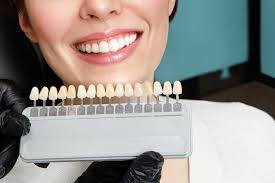
Aesthetic Dentistry: Natural Harmony, Function & Health
Aesthetic dentistry blends beauty with function, biology, and minimal intervention. Instead of designing a smile purely for looks, the aim is to create restorations that are durable, biologically respectful, and naturally integrated into the face.
Aesthetic dentistry typically prioritises:
Where cosmetic dentistry asks, “How can we make this smile look better?”
Aesthetic dentistry asks, “How can we enhance beauty while protecting health and function?”
Why the Difference Matters
Understanding the distinction matters for both clinicians and patients.
With a cosmetic approach, patients may get:
With an aesthetic approach, patients benefit from:
Neither approach is “wrong” — but they serve different goals. Cosmetic dentistry prioritises immediate visual change, while aesthetic dentistry considers the full picture: teeth, gums, bite, facial structure, and long-term oral health.
The Role of Digital Dentistry
Modern tools have blurred the lines between the two fields. Digital Smile Design (DSD), intraoral scanners, AI analysis, 3D printing, and digital smile simulations allow clinicians to plan with precision like never before.
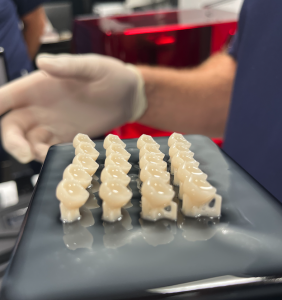

Cosmetic dentists use digital tools to visualise aesthetic outcomes.
Aesthetic dentists use the same tools but integrate them with functional, biological, and biomechanical principles.
The difference lies not in the technology itself, but how and why it is used.
Which One Are You Practicing?
Ask yourself:
Are my treatment decisions driven mostly by the visual outcome the patient wants?
You are leaning toward cosmetic dentistry.
Do I balance appearance with biology, function, preservation, and longevity?
Most clinicians today incorporate elements of both — but the strongest, most predictable results come from aligning the artistry of cosmetic dentistry with the scientific foundation of aesthetic dentistry.
Final Thoughts
As dentistry continues to evolve, our responsibility as clinicians is to deliver care that is beautiful, healthy, and sustainable. Whether you identify as a cosmetic or aesthetic dentist, the ultimate goal is the same:
To create confident, natural smiles that last.