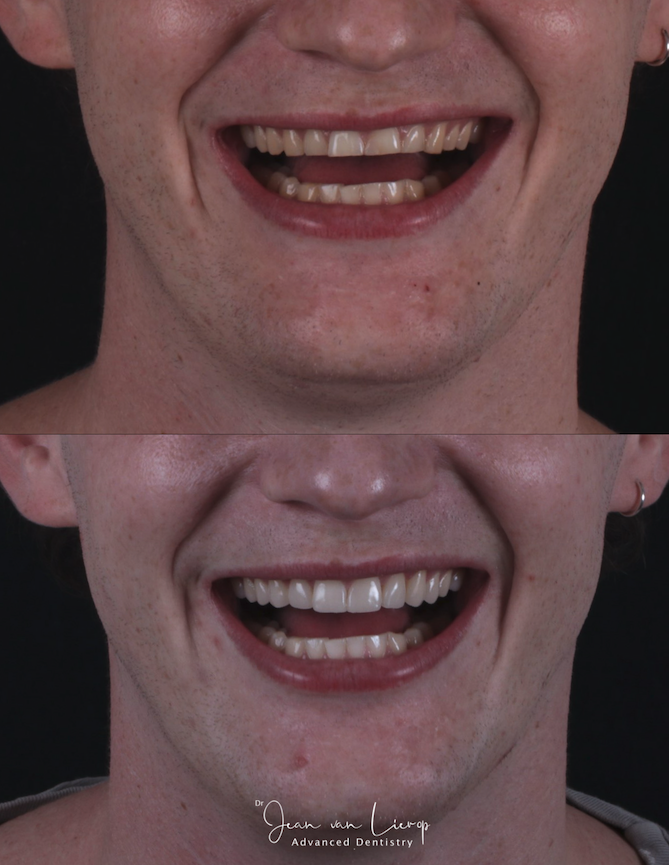

Modern dentistry has come a long way from the days of metal fillings and uncomfortable impressions. With the rise of digital workflows, aesthetic techniques, and patient-centered care, one technique that is rapidly gaining popularity is injection moulding. Though the term might sound like something straight out of a manufacturing plant, it is one of the most innovative and minimally invasive procedures in cosmetic dentistry today.
Injection moulding is not only transforming the way dentists approach restorative and aesthetic cases—it’s also giving patients more comfortable, efficient, and natural-looking results.
Injection moulding is a restorative technique that allows dentists to reshape and enhance teeth using flowable composite resin, guided by a custom-made silicone matrix (a type of mould). This technique is often used in cosmetic bonding and full smile makeovers where accuracy, efficiency, and aesthetics are key.
Essentially, your dentist creates a 3D blueprint of your ideal smile and then uses that plan to “inject” the new design directly onto your natural teeth. The result? A beautifully sculpted smile that’s built to last—without grinding down your healthy enamel.
The journey begins with a thorough assessment of your smile. Dentists use photographs, digital scans, and 3D software to design your ideal tooth shape, length, and alignment. This step is critical, as it forms the foundation for the rest of the procedure.
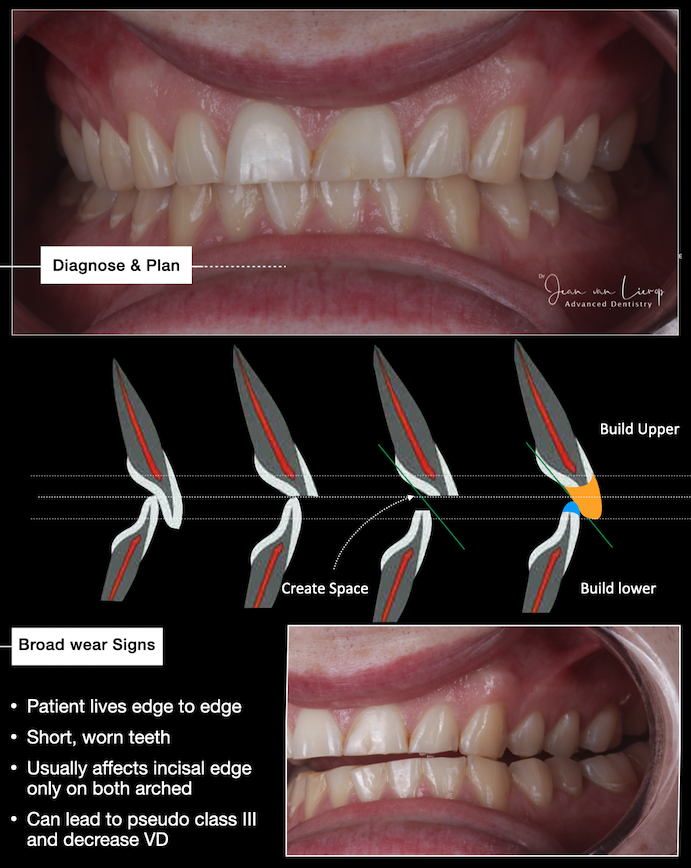
Based on the smile design, a diagnostic wax-up (either digital or physical) is created to preview the outcome. This gives both the dentist and the patient a clear visual of what the finished result will look like.
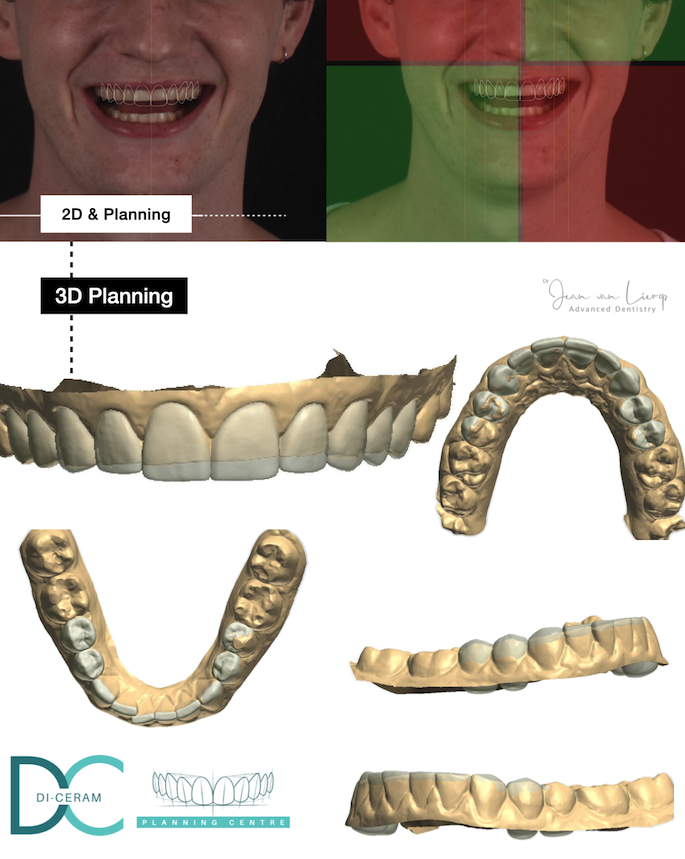
A transparent silicone matrix (mould) is made from the wax-up. This matrix will serve as a precise guide for applying the composite material.
With the matrix in place, a special flowable composite resin is injected into it and cured (hardened) with light. This technique ensures that the shape and contours from the smile design are perfectly transferred to the patient’s mouth.
Once the matrix is removed, the dentist performs minor shaping and polishing to perfect the details. The result is smooth, glossy, and incredibly natural.
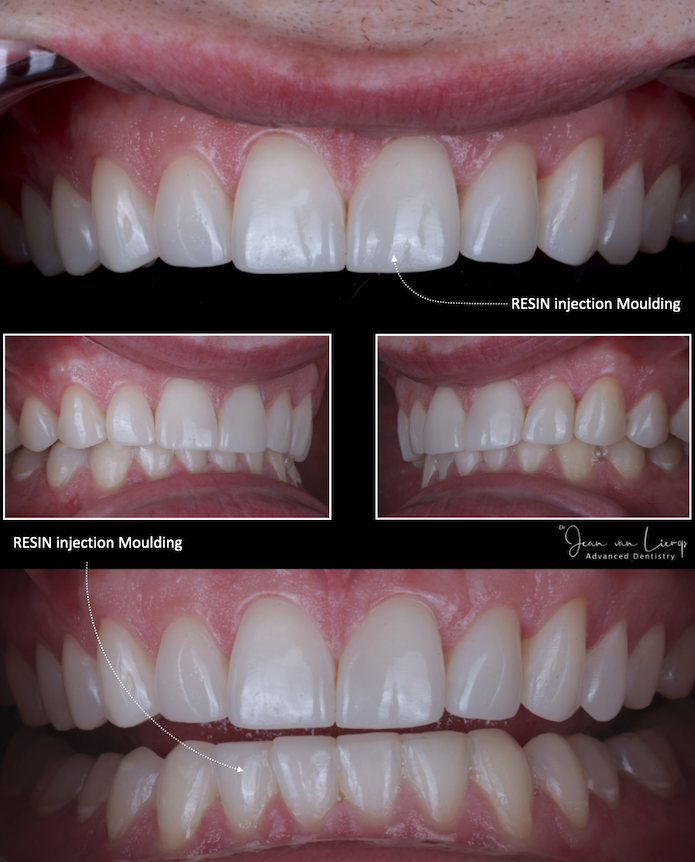
There are many reasons why both patients and dentists are embracing this technique:
This technique is perfect for patients who want to:
However, injection moulding may not be suitable for patients with severe bite issues, large cavities, or cases that require more structural reinforcement.
Injection moulding is part of a broader shift in dentistry toward minimally invasive, digitally guided treatments. It allows dentists to combine artistic vision with clinical precision, delivering results that are as functional as they are beautiful.
With the help of modern materials, 3D planning tools, and advanced techniques like this, patients can now enjoy a transformed smile without the fear or discomfort traditionally associated with dental work.